
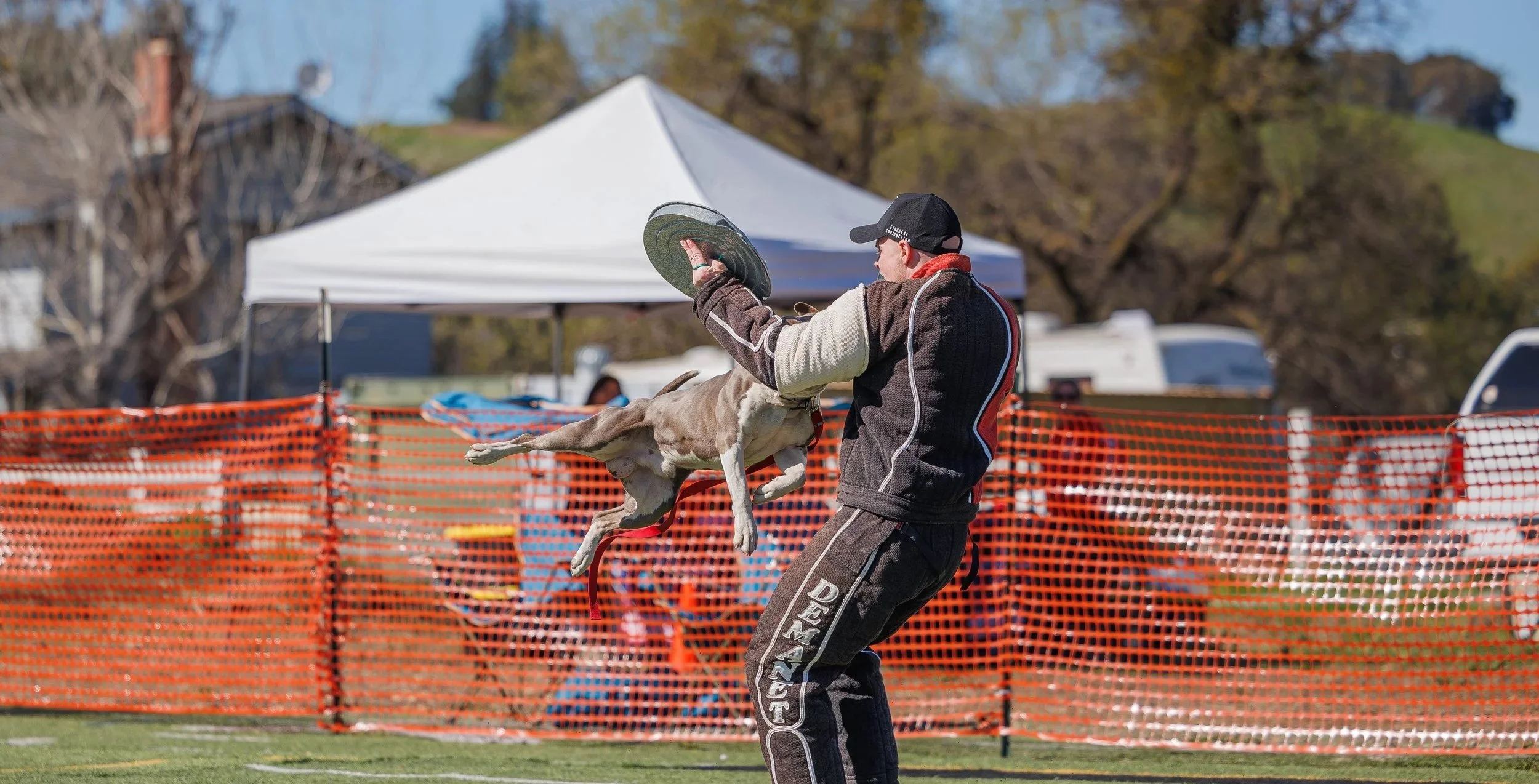
WORKING DOGS
SPORT & PROTECTION
PROTECTION DOGS, GUARD DOGS, & REACTIVE DOGS
KNOW
THE DIFFERENCE
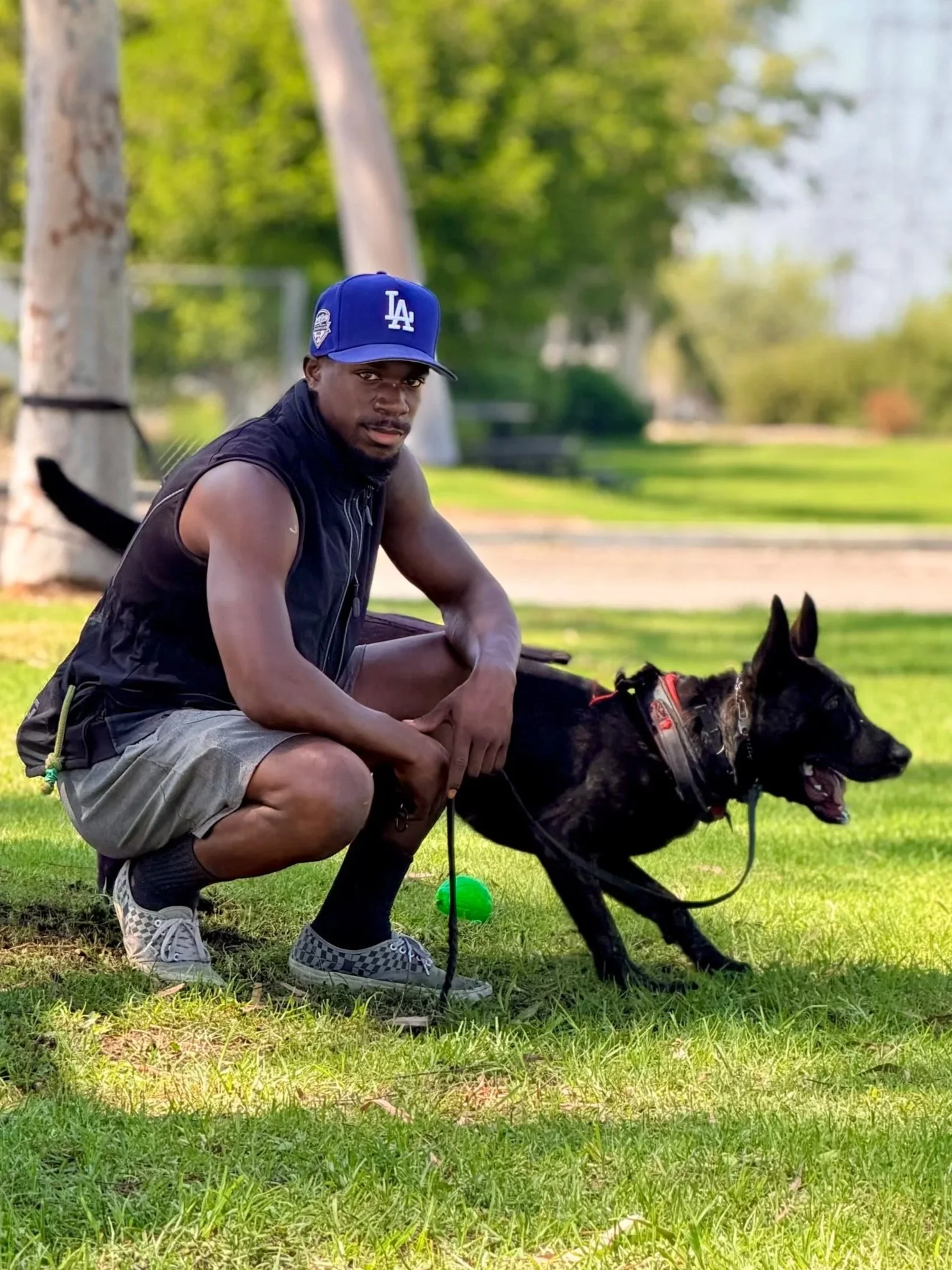
Protection Dog
Trained to protect its handler with confidence, control, and clear obedience when a legitimate threat is present.
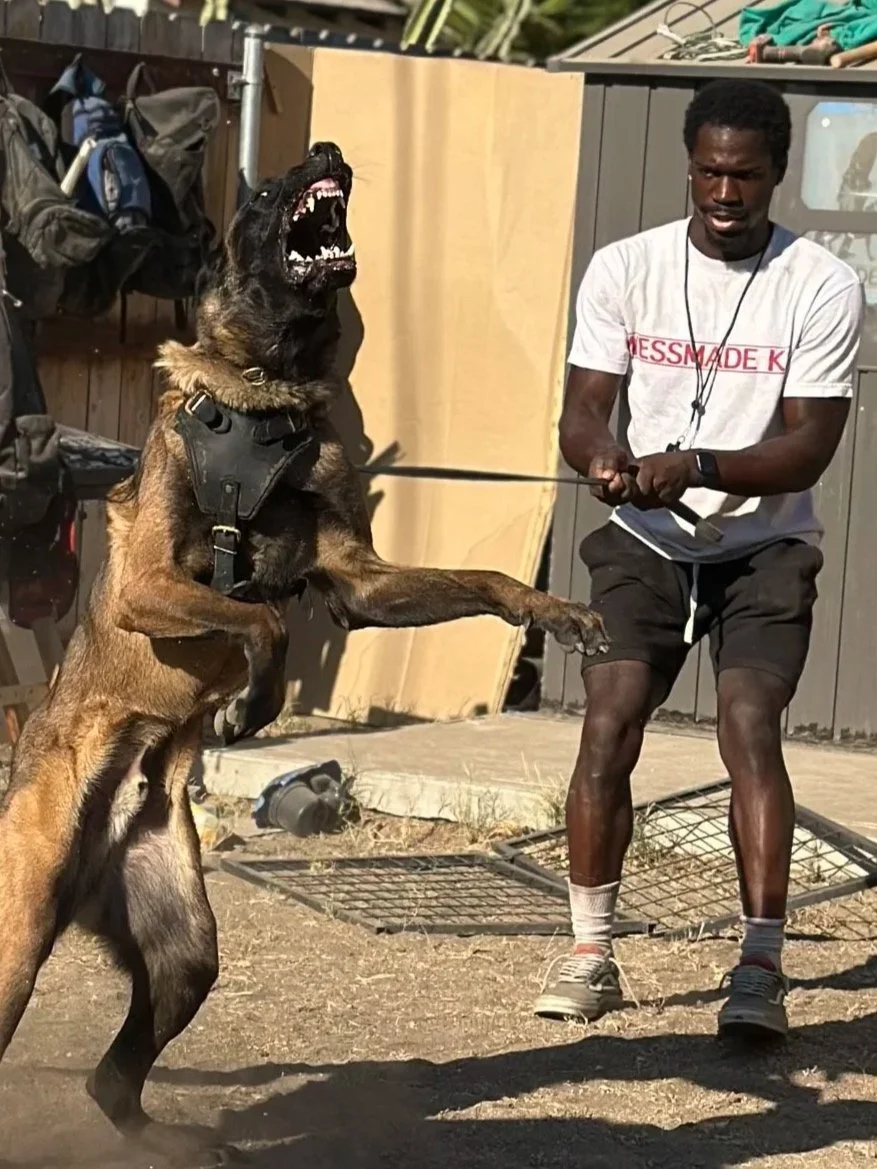
Guard Dog
Protects a specific property or territory by detecting unfamiliar activity and alerting its handler.
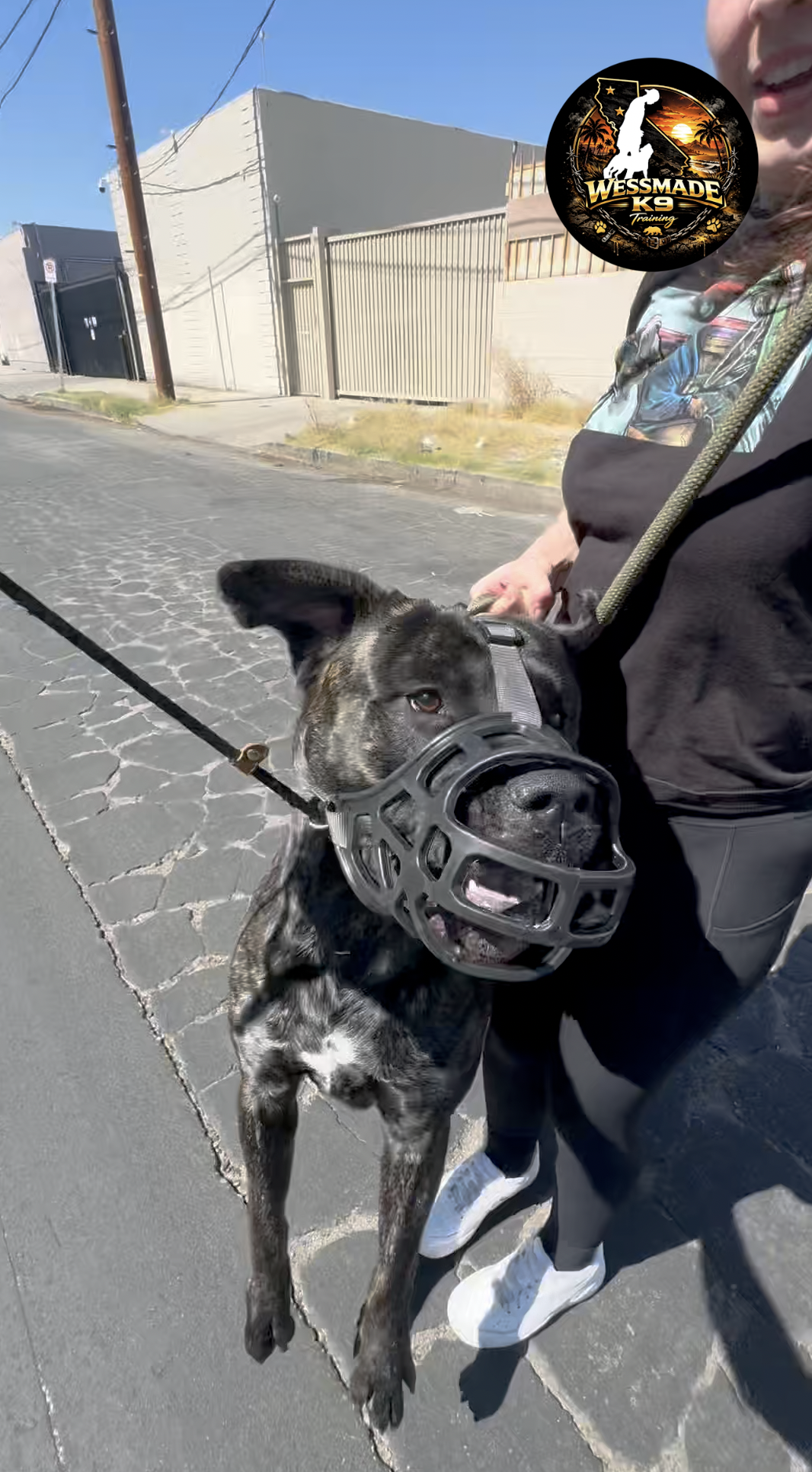
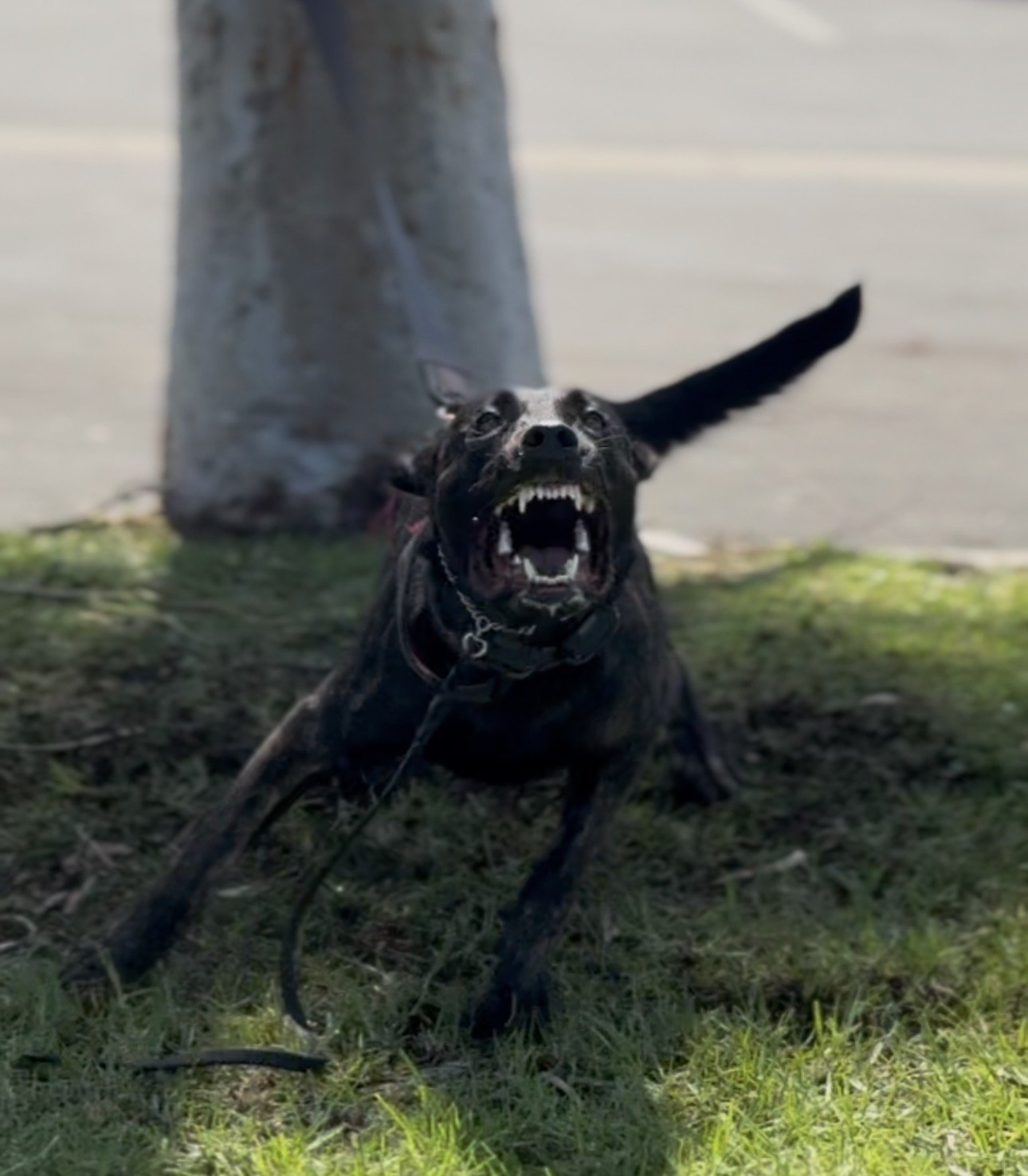
Responds intensely to certain triggers through barking, lunging, or other explosive behavior, often from fear, frustration, or overstimulation.
Reactive Dog
The Guardian Myth
The Real Difference Between Guard Dogs, Protection Dogs, and Reactive Dogs.“My dog barks like crazy whenever someone walks past the house, but I don’t mind it. At least I know he’s protecting me.”
It is a comforting thought. We love our dogs, and we want to believe their loud and aggressive displays are proof of loyalty and protection.
But in professional canine behavior and personal protection, this is one of the most common misconceptions dog owners have.
To understand true canine security, you need to understand the difference between three very different types of behavior: the Guard Dog, the Protection Dog, and the Reactive Dog.
Once you understand how each one operates, it becomes clear that reactivity is not protection. In many situations, it can actually create a serious liability.
We have all heard it, and many of us have even said it:
The Guard Dog
The Alarm System:
A guard dog is primarily a deterrent and an early warning system. Its job is connected to a specific territory, such as a home, yard, or property.
The Behavior:
The dog watches the boundaries of its territory. When someone approaches, it may bark, posture, or otherwise alert its handler while warning the unfamiliar person to stay away.
The Motivation:
Territorial instinct. The dog is naturally aware of changes within its environment and uses its presence and voice to defend its space.
The Control Level:
Moderate. A guard dog should have solid obedience and reliable control, but its primary function is to recognize an intrusion and sound the alarm.
The Control Level:
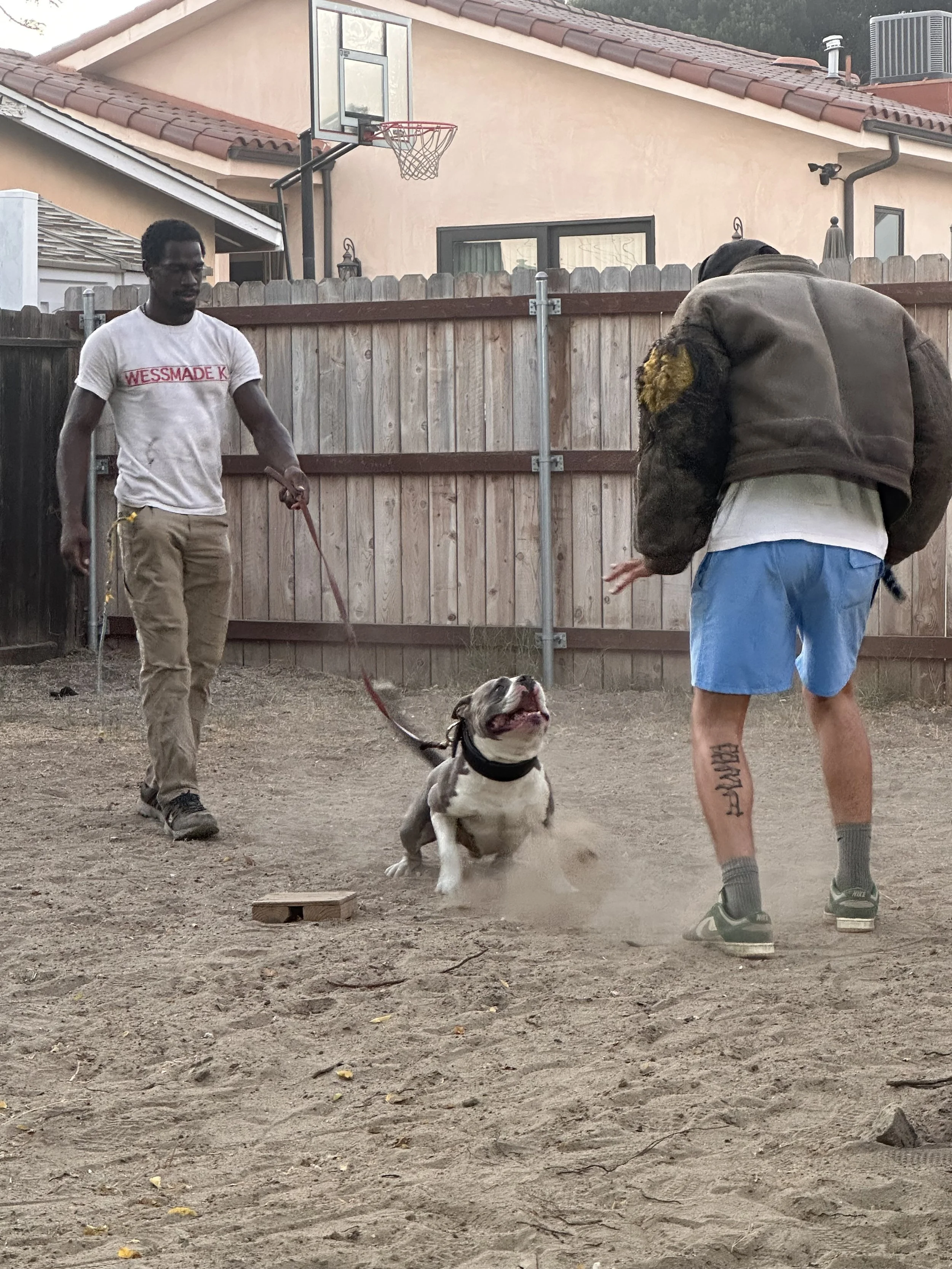
Extremely high. The dog must understand when to engage, when not to engage, and when the behavior must immediately stop. The ability to remain under control is just as important as the ability to protect.
A protection dog is not simply an aggressive dog.
It is a highly trained dog with the ability to remain neutral until there is a reason to act.
The Protection Dog
The Bodyguard:
A true personal protection dog is fundamentally different. Its job is to protect its handler, not simply react to activity around a property.
A properly trained protection dog should be confident, controlled, environmentally stable, and capable of functioning in public without treating every person as a threat.
The Behavior:
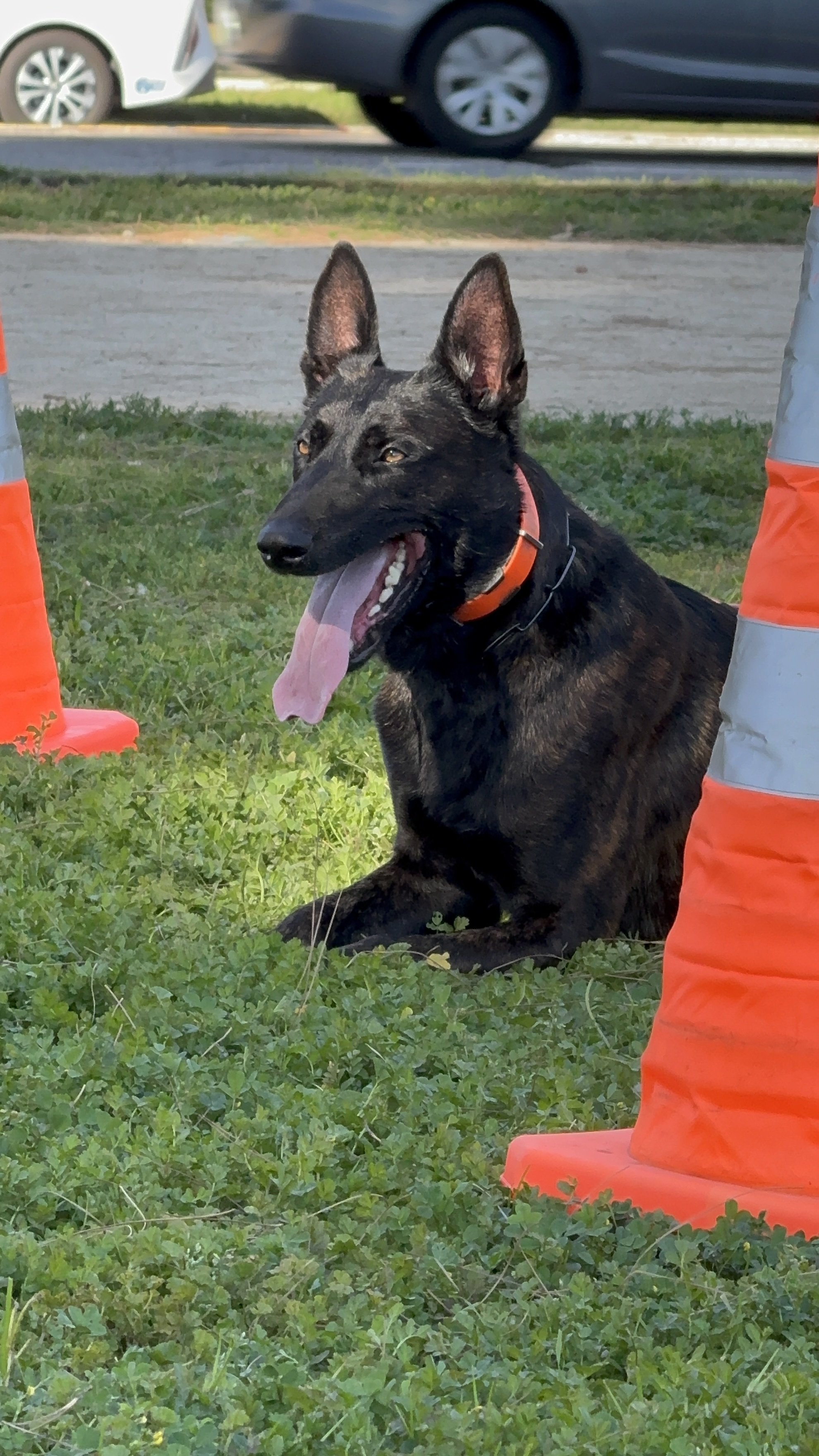
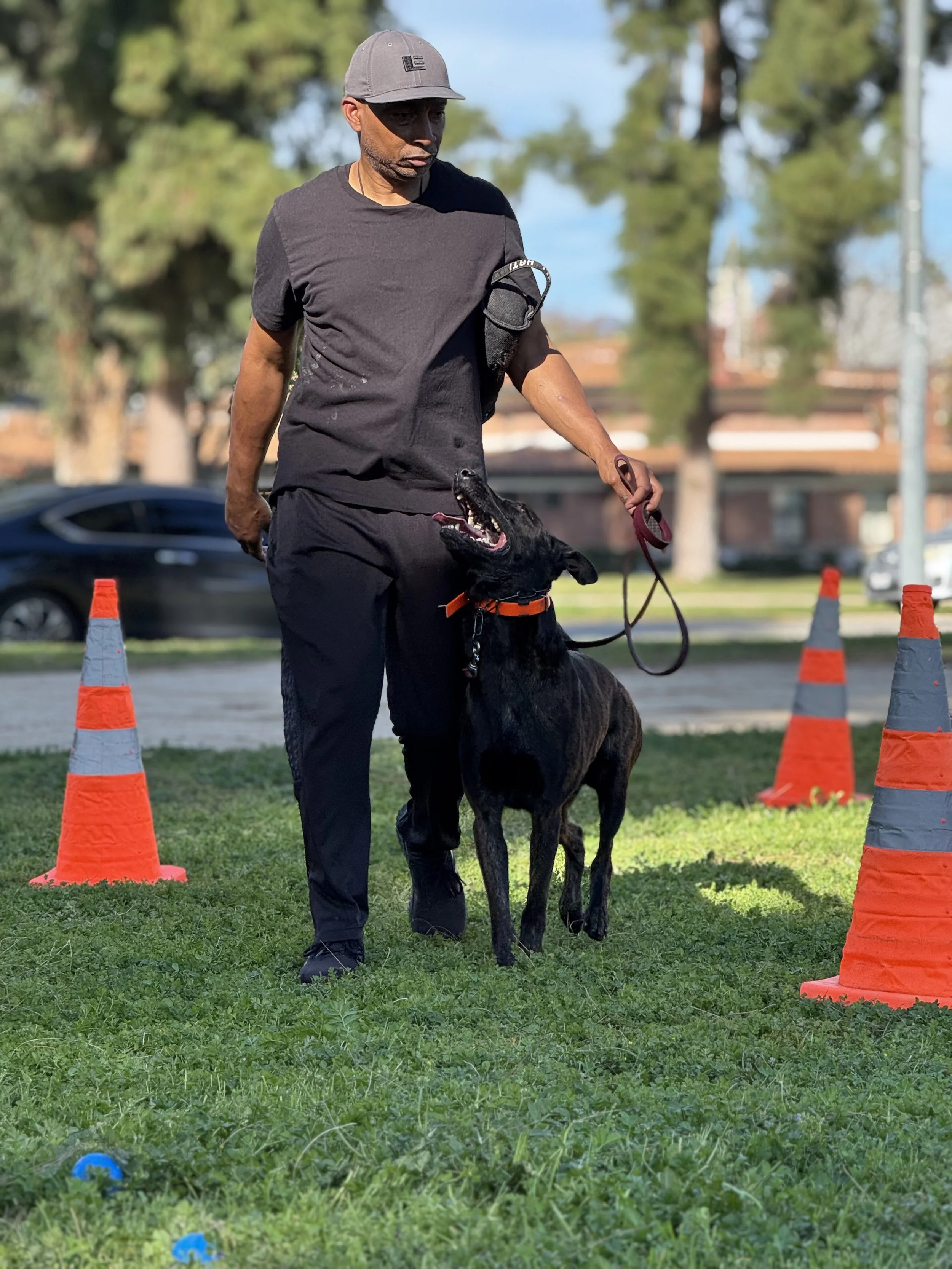
A protection dog can remain calm and neutral around people, traffic, crowds, and everyday distractions. It does not need to bark at every person walking by or lunge at the mail carrier. It responds when there is a legitimate threat or when its handler gives a trained command.
The Motivation:
Protection work is built around genetics, confidence, clear communication, extensive training, and controlled working drives.
The Reactive Dog
The False Alarm:
This is where one of the biggest misconceptions begins.
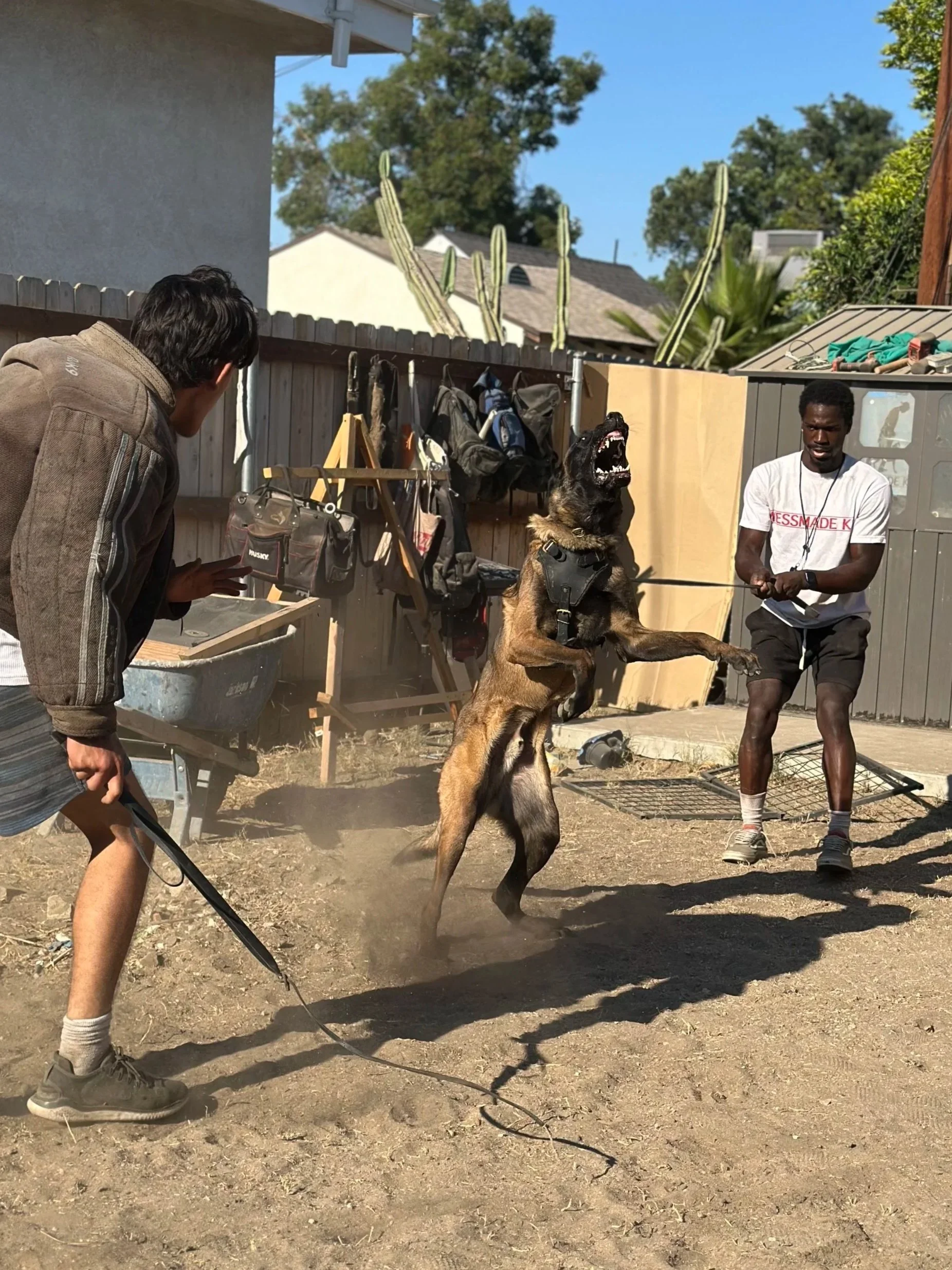
A dog that lunges, barks, growls, or snarls at people, dogs, bicycles, cars, or other everyday stimuli is not automatically guarding or protecting its owner.
Reactivity and protection are two completely different things.
Why They Are Not Guard Dogs:
A stable guard dog is capable of recognizing activity within its territory and responding appropriately. A reactive dog may explode at ordinary, non threatening situations because it is overwhelmed by the stimulus.
A child riding a bicycle, a jogger, a trash can, or someone simply walking past the house can trigger the same response as a legitimate threat.
That is not security.
That is a lack of appropriate discrimination.
Why They Are Not Protection Dogs:
A protection dog needs confidence, stability, clear communication, and obedience under pressure.
A reactive dog may lose access to those skills when overwhelmed. Its behavior can become driven by fear, frustration, overstimulation, or a desire to create distance.
The dog is not making a calculated decision to protect you.
It is reacting to something it perceives as threatening or overwhelming.
The Reality:
Reactivity is often rooted in fear, insecurity, frustration, or an inability to properly process certain environmental triggers.
The explosive behavior can essentially communicate:
“I need you to go away.”
The dog may be trying to create distance because it does not know how to handle the situation.
The Danger:
A dog operating in a highly emotional state can become unpredictable. When arousal becomes extreme, the dog may redirect onto another target, including its handler.
That is one of the reasons uncontrolled reactivity should never be mistaken for a trained security behavior.
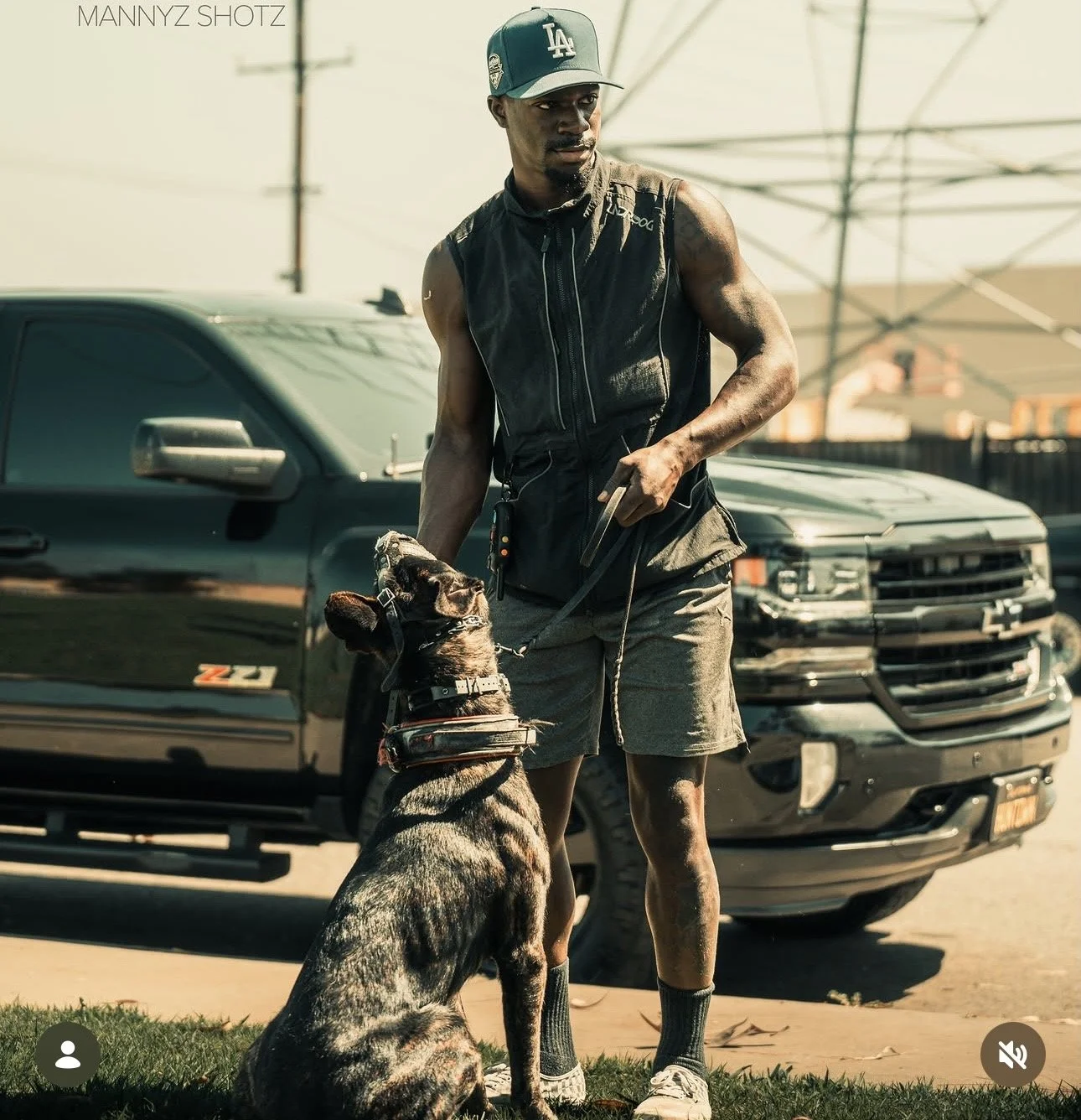
If your dog is reactive, the goal should not be to make that reaction bigger. The goal should be to build confidence, improve neutrality, create clear communication, and teach the dog how to function calmly in the world around them.
A stable dog does not need to react to everything.
A trained dog knows when to act.
And a true protection dog knows the difference.
The Clear Distinction
When it comes to home and family safety, the difference is simple:
A Guard Dog is an alarm system.
A Protection Dog is a trained bodyguard.
A Reactive Dog is a dog struggling to cope with a stimulus.
Those are three completely different things.
True protection and guarding require much more than aggression. They require appropriate genetics, stable nerves, confidence, clear communication, environmental stability, obedience, and extensive professional training.
A fearful or reactive dog should not be given the responsibility of protecting a home or family.
Reactivity is not a security feature.
It is a behavior that needs to be understood and addressed.
SPORT DOGS
Monet Goode
FounderWith a vision for building something meaningful, our founder brings a blend of big-picture thinking and hands-on experience. They set the tone for everything we do.
PROTECTION SPORT ASSOCIATION (PSA)
TRIAL PREPFocused, approachable, and driven by results, our sales manager is all about building strong relationships. They help connect people to the right solutions—with clarity and care.
Monet Goode
FounderWith a vision for building something meaningful, our founder brings a blend of big-picture thinking and hands-on experience. They set the tone for everything we do.
PROTECTION SPORT ASSOCIATION (PSA)
TRIAL PREPFocused, approachable, and driven by results, our sales manager is all about building strong relationships. They help connect people to the right solutions—with clarity and care.